



Signed into law on January 13, 2023, Executive Order (EO) No. 12 is a significant move for the Philippines in making fully electric vehicles like the battery-powered Nissan LEAF accessible to the majority of Filipinos. This law will briefly amend the Customs Modernization Act by exempting EVs from import duties and suspending taxes on charging and distribution components, as well as other equipment essential to EV production.
The Most Favored Nation (MFN) tariff rates will be cut to zero percent on built imported EVs covering vehicle segments such as passenger vehicles, buses, minibusses, trucks, bicycles, motorcycles, scooters, and even tricycles for a period of five years. This law unfortunately excludes hybrid-type EVs from the tax exemption.
Related: NEDA to make EVs even more affordable in the Philippines
By removing tariffs, the law aims to lower EV prices and make them more affordable and accessible to a wider range of consumers, complementing the current Electric Vehicle Industry Development Act (EVIDA Law) which mandates the government and companies to meet a five percent quota on their vehicle fleets.
“The move will help boost the electric vehicle market in the country, support the transition to emerging technologies and encourage consumers to consider electric vehicles as a cleaner and greener transportation option.”
Import taxes for EVs suspended for five years with Executive Order No.12
The new law aims to make EVs affordable and more accessible for the average Filipino buyer.

Jerome Tresvalles on Jan 26, 2023You are here:HomeLatest StoriesNewsImport taxes for EVs suspended for five years with Executive Order No.12
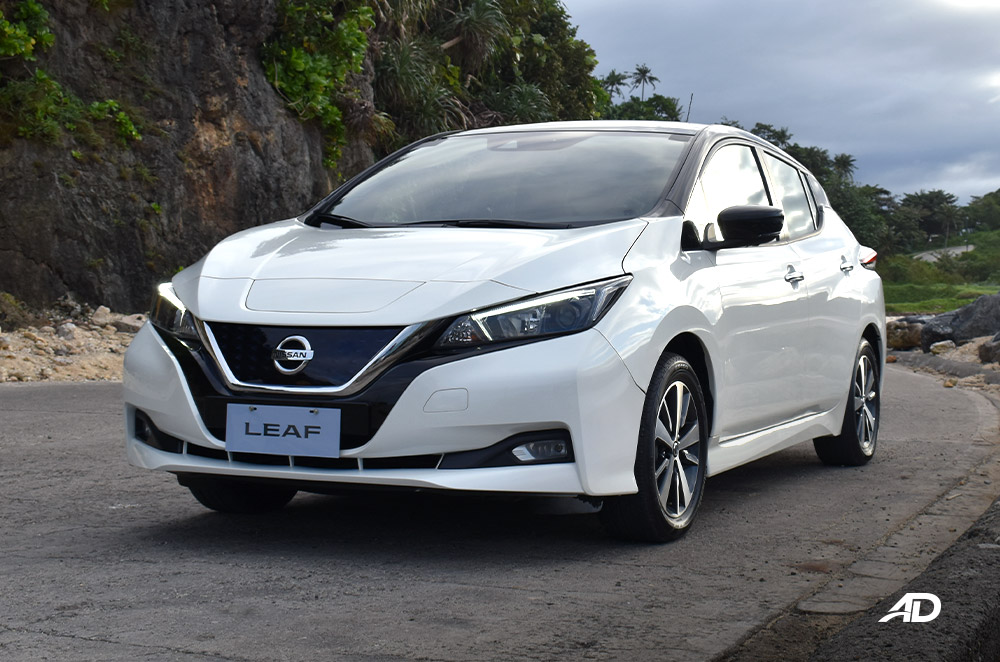
Signed into law on January 13, 2023, Executive Order (EO) No. 12 is a significant move for the Philippines in making fully electric vehicles like the battery-powered Nissan LEAF accessible to the majority of Filipinos. This law will briefly amend the Customs Modernization Act by exempting EVs from import duties and suspending taxes on charging and distribution components, as well as other equipment essential to EV production.
The Most Favored Nation (MFN) tariff rates will be cut to zero percent on built imported EVs covering vehicle segments such as passenger vehicles, buses, minibusses, trucks, bicycles, motorcycles, scooters, and even tricycles for a period of five years. This law unfortunately excludes hybrid-type EVs from the tax exemption.
Related: NEDA to make EVs even more affordable in the Philippines
By removing tariffs, the law aims to lower EV prices and make them more affordable and accessible to a wider range of consumers, complementing the current Electric Vehicle Industry Development Act (EVIDA Law) which mandates the government and companies to meet a five percent quota on their vehicle fleets.
“The move will help boost the electric vehicle market in the country, support the transition to emerging technologies and encourage consumers to consider electric vehicles as a cleaner and greener transportation option.”
Presidential Communications Office
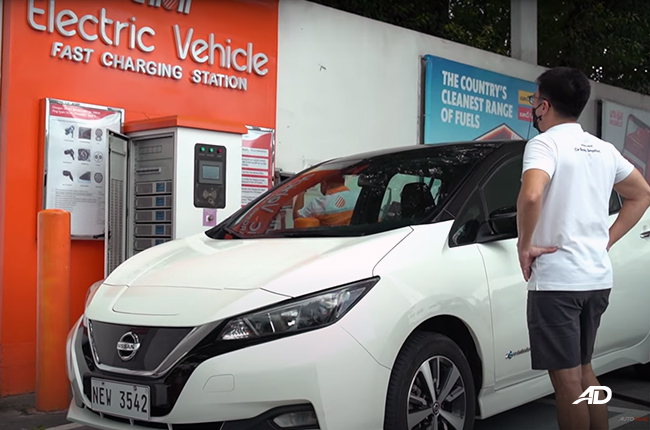
Enacted in 2019, the EVIDA Law’s objective was to set the Philippines up as a regional hub for EV production and assembly. The law also incentivized manufacturers, suppliers, as well as buyers of EVs.The EVIDA Law also lays out the establishment of the National Electric Vehicle Development Plan, which outlines the goals and strategies of the Philippines’ EV industry development. Included in the plan is the establishment of the Electric Vehicle Development Fund, a fund that provides financial assistance to the local EV industry.
The tariff suspensions will last for five years, after which the import duties and corresponding prices for such vehicles and related equipment will return to the original 30-percent rate. The government expects that by waiving import duties for five years, the local auto industry will have cultivated a proper EV ecosystem in the country.
Related Articles
Hongqi unveils its updated lineup of flagship models with the E-QM5 Plus and E-HS9The Ford Bronco is going electric – in ChinaFord Philippines confirms launch of the Mustang Mach-E in Q3 2025Isuzu reveals D-MAX EV specs, production to commence in ThailandThe next-gen Nissan LEAF gets a massive bump in range and a larger body
Latest News
- Changan Philippines introduces Nevo A05 plug-in hybrid / NewsShaynah Miranda · Oct 03, 2025Changan introduces the Nevo A05 plug-in hybrid sedan in the Philippines with 130 km EV range and 1,250 km total driving range.
- Will the 677 hp Dongfeng M-HERO M817 Max+ make its way to the Philippines? / NewsShaynah Miranda · Oct 02, 2025Dongfeng has added a new model to its M-Hero lineup with the launch of the M817 Max+ in China.
- NLEX Corp. rolls out P200 million SCTEX tech upgrades / NewsJerome Tresvalles · Oct 01, 2025NLEX Corp. has announced that it is investing P200 million in a major technology upgrade program for SCTEX.
Popular Articles
- Cheapest cars under P700,000 in the PhilippinesJerome Tresvalles · Sep 02, 2024
- First car or next car, the Ford EcoSport is a tough package to beatJun 18, 2021
- Car Maintenance checklist and guide – here’s everything you need to knowEarl Lee · Jan 12, 2021
- Most fuel efficient family cars in the PhilippinesBryan Aaron Rivera · Nov 27, 2020
- 2021 Geely Okavango — Everything you need to knowJoey Deriquito · Nov 19, 2020
- Family cars in the Philippines with the biggest trunksSep 20, 2023
- Head to head: Toyota Rush vs. Suzuki XL7Joey Deriquito · Oct 28, 2020
- Why oil changes are important for your carEarl Lee · Nov 10, 2020
- 2021 Kia Stonic — What you need to know about itJoey Deriquito · Oct 16, 2020
- Top 7 tips for buying a used car in the PhilippinesJoey Deriquito · Nov 26, 2020
